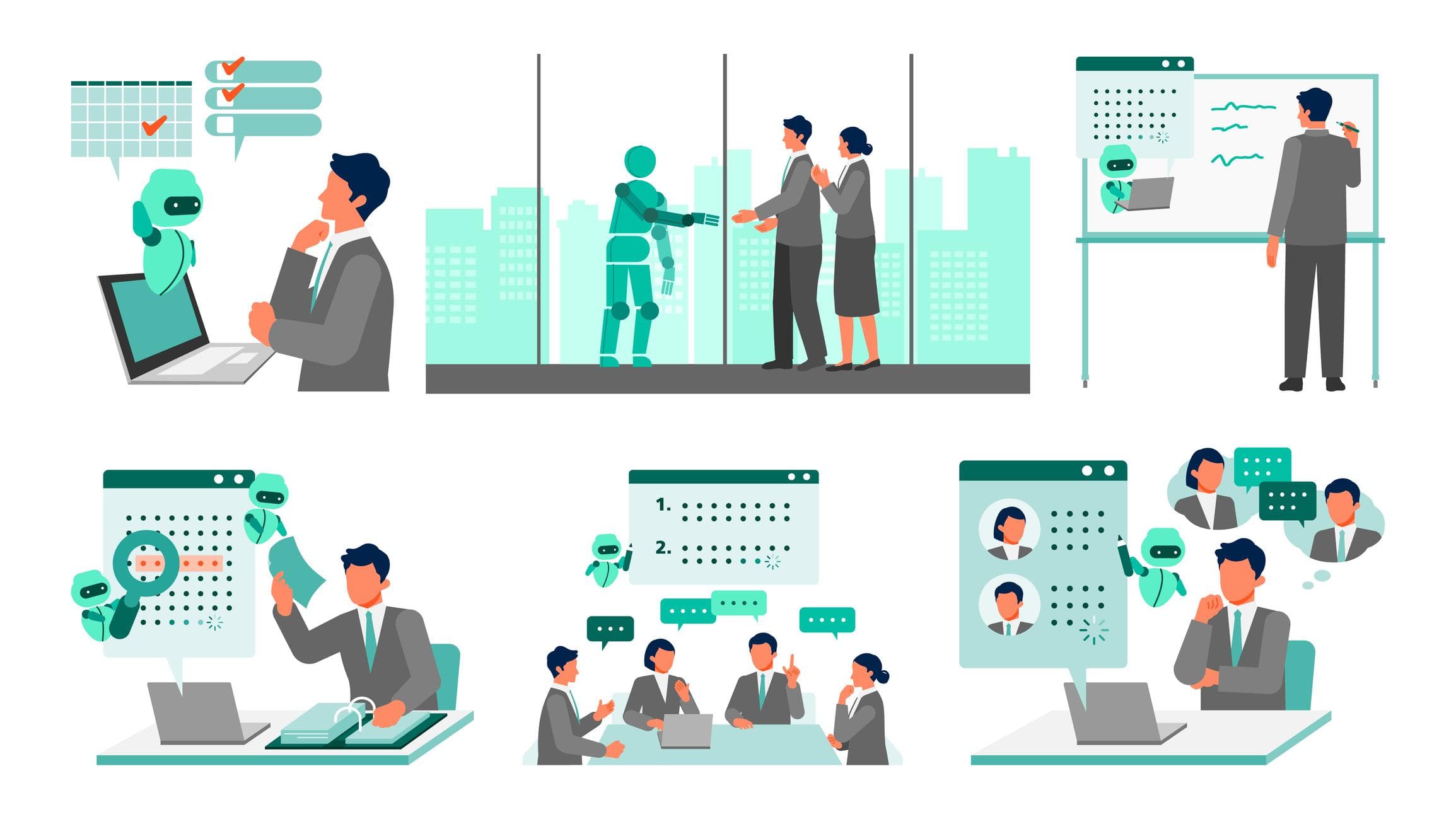


Artificial Intelligence (AI) is no longer a distant idea from science fiction. It is already shaping how we work, learn, communicate, and make decisions. From recommendation systems and virtual assistants to medical diagnosis and fraud detection, AI is becoming part of everyday life.
But what truly matters is not just what AI can do today, but what it will do in the future — and how that future will impact society.
This article explores:
How AI is evolving
Its future impact on key sectors
Real-world case studies
Benefits, risks, and ethical concerns
🧠 What Do We Mean by “The Future of AI”?
The future of AI does not mean machines replacing humans completely.
Instead, it means AI systems becoming smarter assistants that support human decision-making.
Future AI will be:
More context-aware
More autonomous
More accurate
More integrated into daily life
AI will move from being just a tool to becoming a collaborator.
🔁 How AI Is Evolving
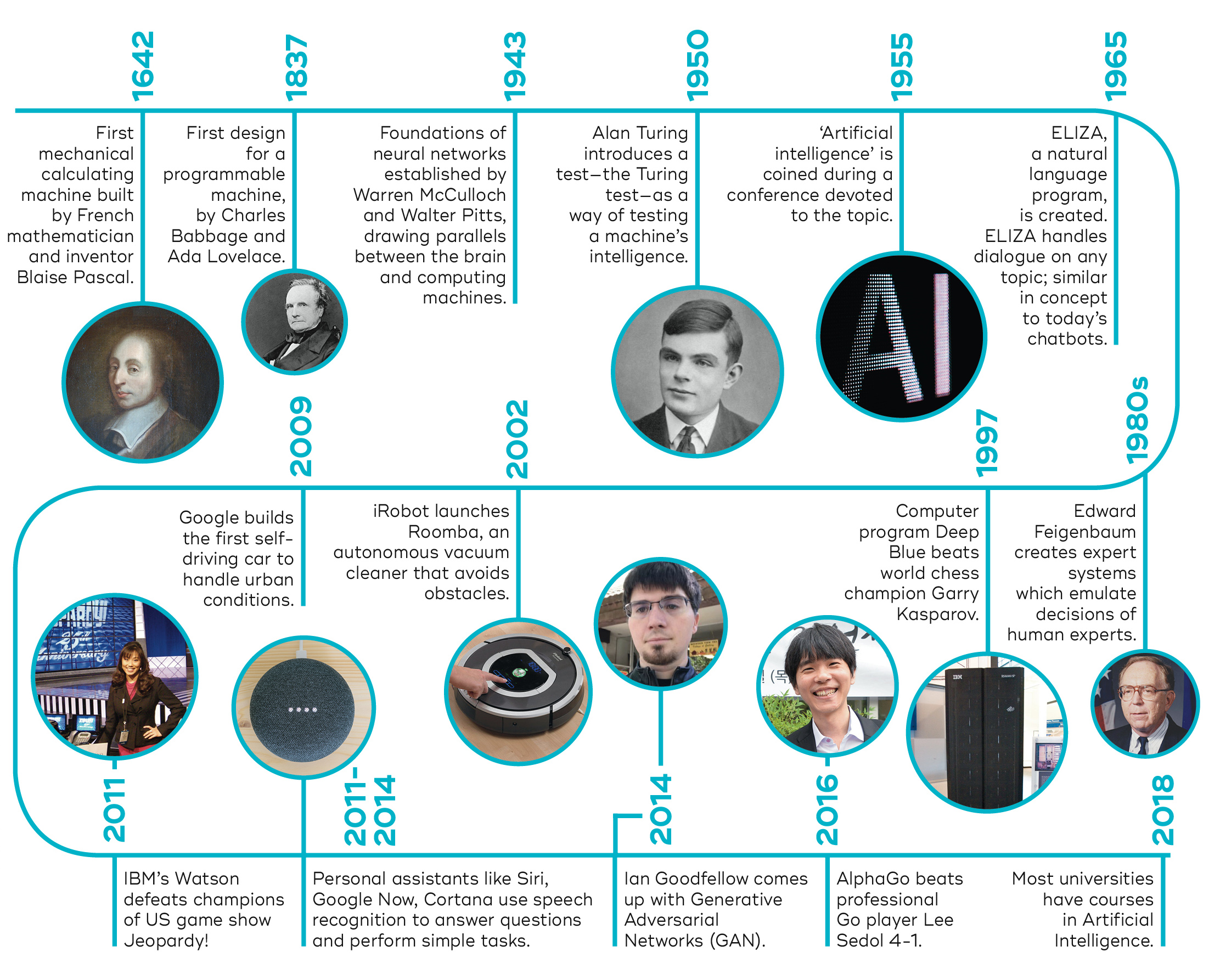

AI development can be viewed in stages:
1️⃣ Narrow AI (Current Stage)
Designed for specific tasks
Examples: voice assistants, image recognition, spam detection
2️⃣ Advanced AI Systems (Near Future)
Multimodal understanding (text, image, audio)
Better reasoning and decision support
More reliable automation
3️⃣ Artificial General Intelligence (AGI) (Long-Term Goal)
Human-level intelligence
Can learn and adapt across tasks
Still theoretical and heavily debated
🏥 AI in Healthcare: Case Study


📌 Case Study: AI in Medical Imaging
Hospitals are already using AI to analyze X-rays, CT scans, and MRI images.
🔹 AI models can:
Detect tumors earlier than traditional methods
Reduce diagnostic errors
Assist radiologists in high-volume environments
🔹 Example:
AI systems trained on thousands of scans can highlight suspicious regions, allowing doctors to focus on decision-making rather than manual inspection.
💡 Impact:
AI improves accuracy and speed — but doctors remain in control.
🎓 AI in Education: Case Study

📌 Case Study: Personalized Learning Platforms
AI-powered learning platforms analyze:
Student performance
Learning speed
Mistakes and strengths
Based on this data, AI:
Adjusts lesson difficulty
Suggests personalized exercises
Provides instant feedback
🔹 Example:
Online learning platforms use AI to recommend content tailored to each student, instead of using a one-size-fits-all approach.
💡 Impact:
Education becomes more inclusive and adaptive, while teachers focus on mentoring and creativity.
💼 AI and the Future of Work: Case Study
📌 Case Study: AI in Business Operations
Many companies now use AI for:
Demand forecasting
Fraud detection
Customer support automation
🔹 Example:
AI-powered chatbots handle repetitive customer queries, while complex cases are escalated to human agents.
💡 Impact:
AI reduces workload and increases efficiency — it changes jobs rather than eliminating them.
🌍 AI in Society: Benefits vs Risks

✅ Benefits
Faster innovation
Better decision-making
Improved healthcare and safety
Increased productivity
⚠️ Risks
Bias in AI models
Privacy concerns
Job displacement
Over-dependence on automation
The future of AI depends on how responsibly it is developed and used.
🔐 Ethical and Responsible AI (Critical for the Future)
As AI becomes more powerful, ethical considerations become unavoidable.
Future AI systems must be:
Transparent (explainable decisions)
Fair (reduced bias)
Secure (protected from misuse)
Accountable (clear responsibility)
Governments, researchers, and organizations are actively working on AI governance and regulation.
🚀 What the Future Likely Holds
In the coming years, we can expect:
AI embedded in everyday devices
Smarter digital assistants
Stronger human-AI collaboration
Increased focus on AI ethics and regulation
AI will not replace human intelligence —
it will enhance it.
🧠 Final Thoughts
The future of AI is not just about algorithms or machines.
It is about human choices.
If developed responsibly, AI can:
Improve quality of life
Support education and healthcare
Drive innovation
The real challenge is ensuring that AI serves humanity, not the other way around.
📚 References
World Economic Forum
The Future of Jobs Report
Stanford University
AI Index Report
IBM
AI in Healthcare and Business
OpenAI
AI and the Future of Work
Wikipedia
Artificial Intelligence
